Having an 'editorial line' is the backbone of any successful publication. But what exactly is Memo’s? What critical values and aesthetic standards does it seek to uphold? Which artistic practices are deemed worthy of comment, and which are not? With whose interests is it aligned, or rather misaligned? And what is the role of a publication like Memo in today’s uncertain times?
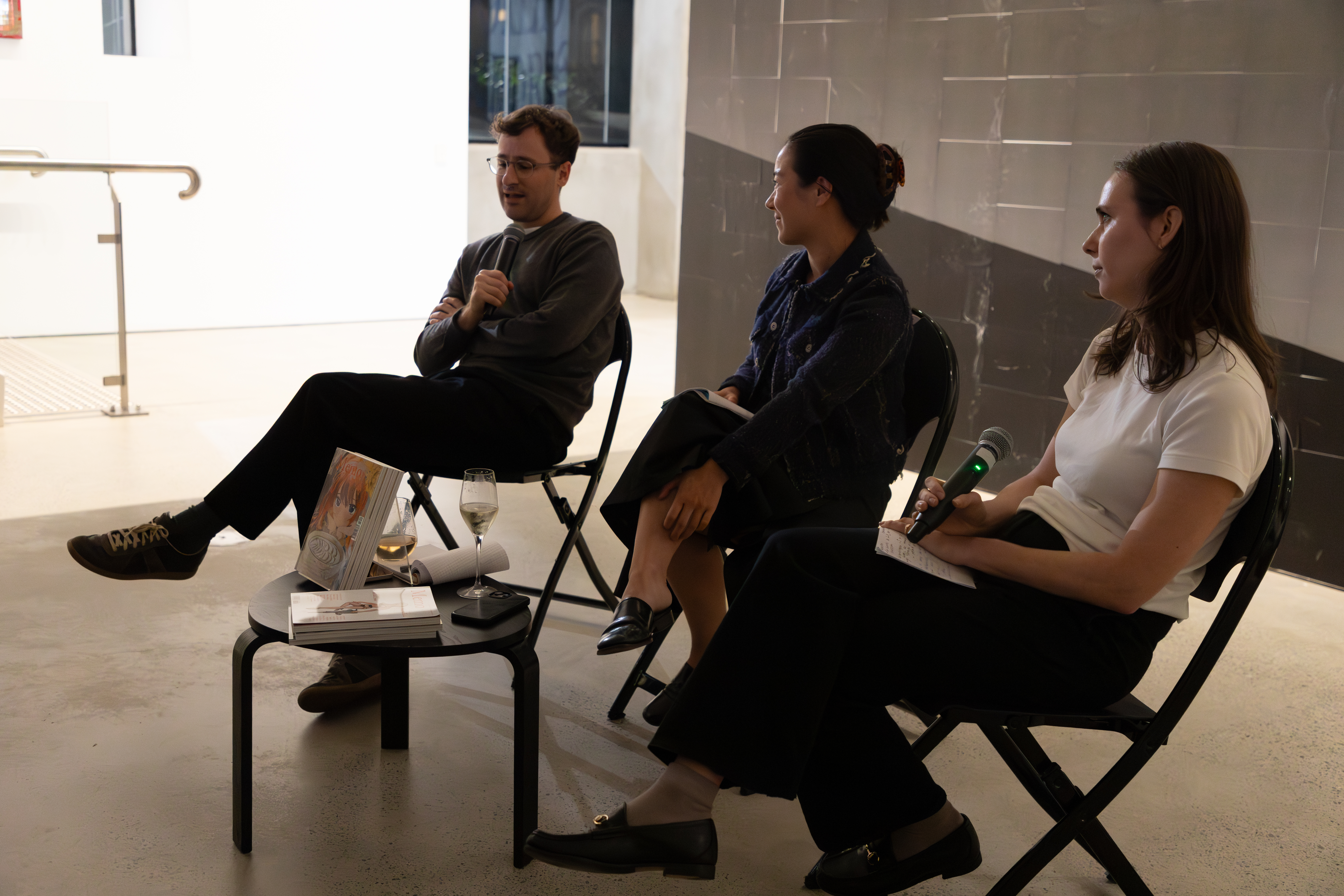
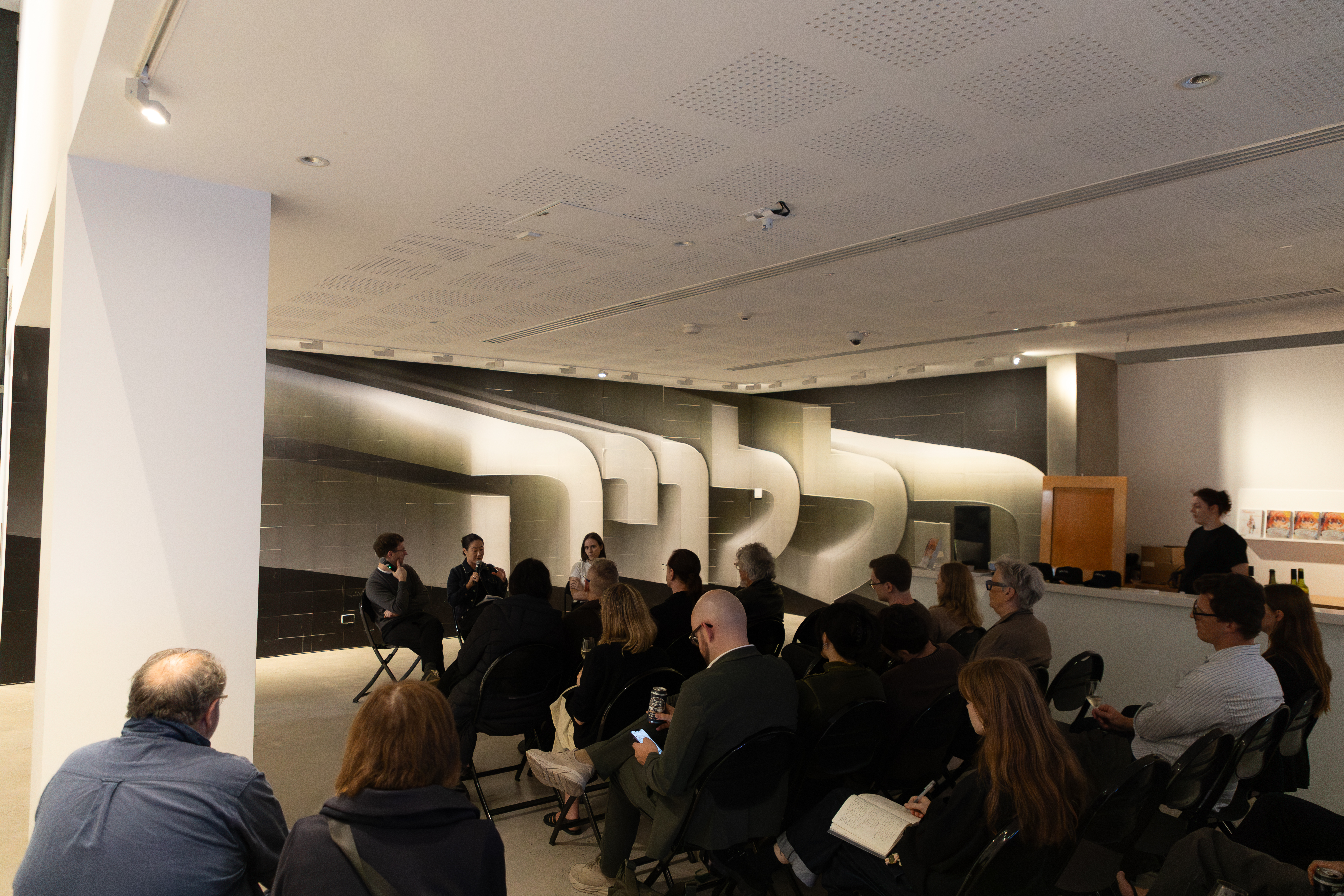
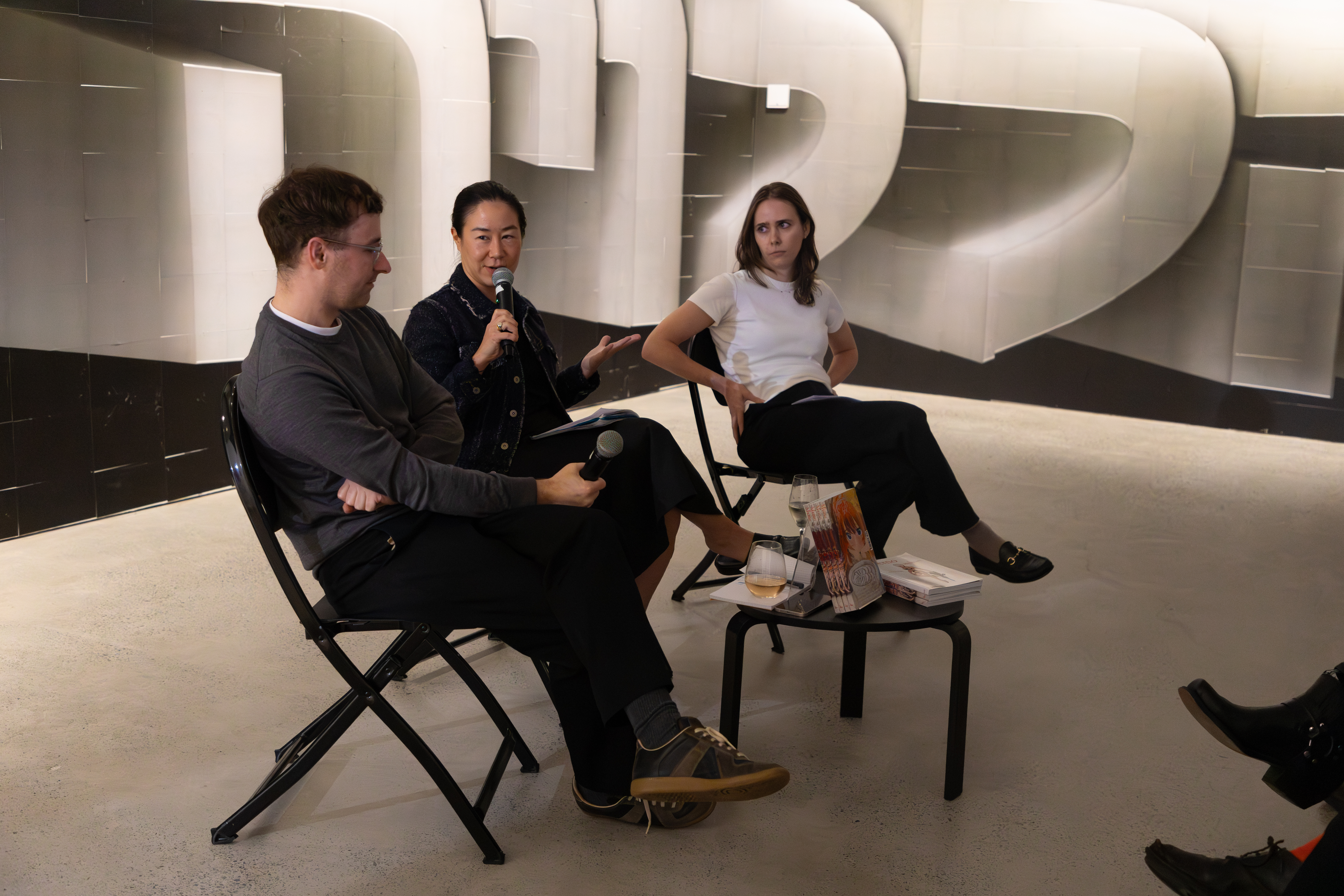
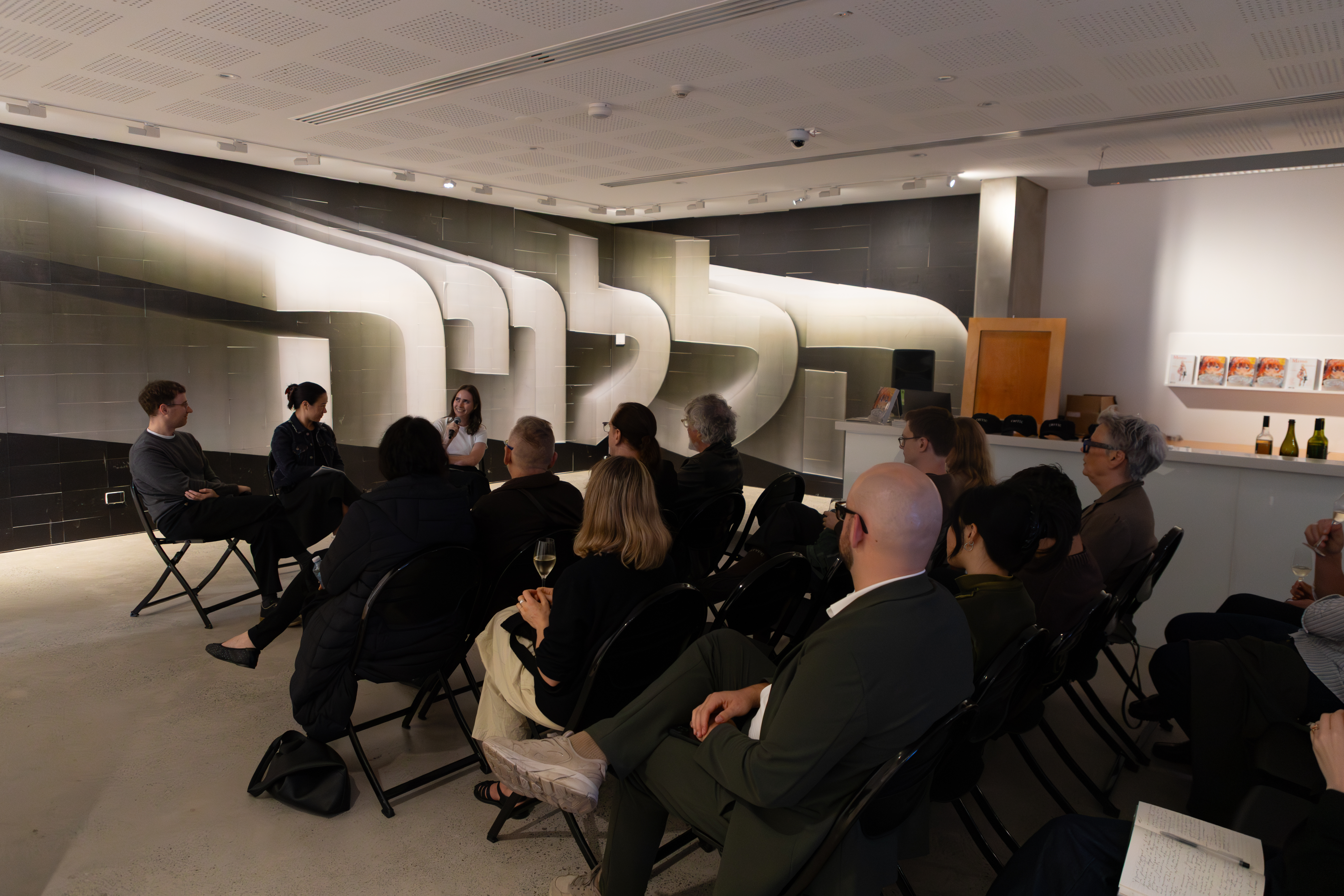
To mark the launch of Issue 4, Memo editors Amelia Winata, Hilary Thurlow, and Paris Lettau will lay all their cards on the table in this discussion. Who holds what cards, and whether they even agree on anything, remains unclear.
Come to join the conversation, grab a copy of the latest issue, and enjoy the generous hospitality provided by UNSW Galleries.
—
Issue 4 of Memo magazine features the Frankfurt-based artist Hana Earles, a defining figure in the recent history of Melbourne’s backyard gallery scene. Articles by Biz Sherbert, Gemma Topliss, Audrey Schmidt, and Douglas Maxted chart Earles’s self-aware visual language and her oscillation between the hyperlocal and the global.
Elsewhere, renowned French philosopher Catherine Malabou turns a Kantian lens on Cyril Schäublin’s film about Swiss anarchist watchmakers in Unrest (2022), while author of I Love Dick, Chris Kraus, reflects on her literary evolution on the cusp of releasing her latest novel, The Four Spent the Day Together. Winner of the 2026 Victorian Premier's Literary Awards, Micaela Sahhar examines media and institutional censorship of Palestine, while eminent art historian T. J. Clark’s Marxist-inflected commitment to modernity comes under review by Francis Plagne. Keith Broadfoot restages Imants Tiller’s canonical von Guérard copy, Mount Analogue, as repetition and resurrection of Australian art through the colonial sublime.
The issue also includes features on Caveh Zahedi, Carol Jerrems, Rosemarie Trockel, Hany Armanious, Nora Turato, Robert Rooney, reviews from across Australia, and much more.