The 24th Biennale of Sydney works across time periods, beyond the borders separating cultural practices rooted in different genealogies, and from all continents. The exhibition owes a profound debt to the rich heritage of what is known today as Australia, especially to the struggles and practices in which First Nations communities and migrants have faced and played key roles. This edition revisits legacies of collective resistance, strength, and exuberance, embracing a more hopeful and joyful outlook, while celebrating the exhibition as a carnival of rays and radiance, aptly titled ‘Ten Thousand Suns’.
The singular life-giving body that is the sun, like the world it shines light upon, has been known under thousands of different words in as many languages. Each name carries a different cultural viewpoint, and many do not rely on a vision of a single sun. The image of ‘ten thousand suns’ evokes a scorching world, both in cosmological visions and in our present moment of climate emergency, and of a world ablaze.
This sense of a hellish landscape is particularly poignant at UNSW Galleries where an underworld opens up. Corridors and spaces of mineral extraction and exploitative plantation farming take us to a metaphorical mine. These excavations are not only material; they also pertain to the moral inferno of mining and its social aftermath. Devils and spirits haunt the search for material wealth in this underworld. Extraction and trade routes have shaped many geographies. Navigation and sea-faring technology have also been crucial in imagining country and worlds, particularly in what is today Australia and the oceans around it.
As the exhibition continues, a lineage unfolds of the overlapping histories of connection between Australia and the Muslim world. This history precedes European arrival and colonisation, to the 16th century with the trading of trepang – or sea cucumber – between First Nation Australians and Muslim Makassar merchants in today’s Indonesia, on trade routes that extended to China. These pathways left many cultural legacies on both sides.
In the 19th century, Muslim cameleers who were brought to First Nations lands by the British once again formed lasting interrelations that exist to this day, and some artists in the 24th Biennale are descendants of these families. The braiding of the histories of Australia and the Islamic world has its most storied moment in the 20th century wars fought by Australian soldiers in campaigns that include Çanakkale/Gallipoli and Palestine. These events have remained central to processes of historical memory in Australia, and are considered here from the viewpoints of the domestic sphere and the present-day citizens of former combatant nations. Rich and complex, these lineages have reverberated across centuries to the present day.
—
Artistic Directors:
Cosmin Costinaș and Inti Guerrero
Fondation Cartier pour l’art contemporain First Nations Curatorial Fellow:
Tony Albert
Curatorial Advisor:
Vivian Ziherl
Artists
Agnieszka Kurant
Agnieszka Polska
Bonita Ely
Candice Lin
Christopher Pease
Dhopiya Yunupiŋu
Doreen Chapman
Elyas Alavi with Hussein Shirzard, Jim Hinton, John Hinton, and Alibaba Awrang
Idas Losin
Jülia Côta and Prazeres Côta
Joel Sherwood Spring
Köken Ergun
Kubra Khademi
Leila el Rayes
Mauroof Jameel and Hamsha Hussain
Megan Cope
Nikau Hindin
Simon Soon
Udeido Collective
Wendy Hubert
William Yang
Yangamini
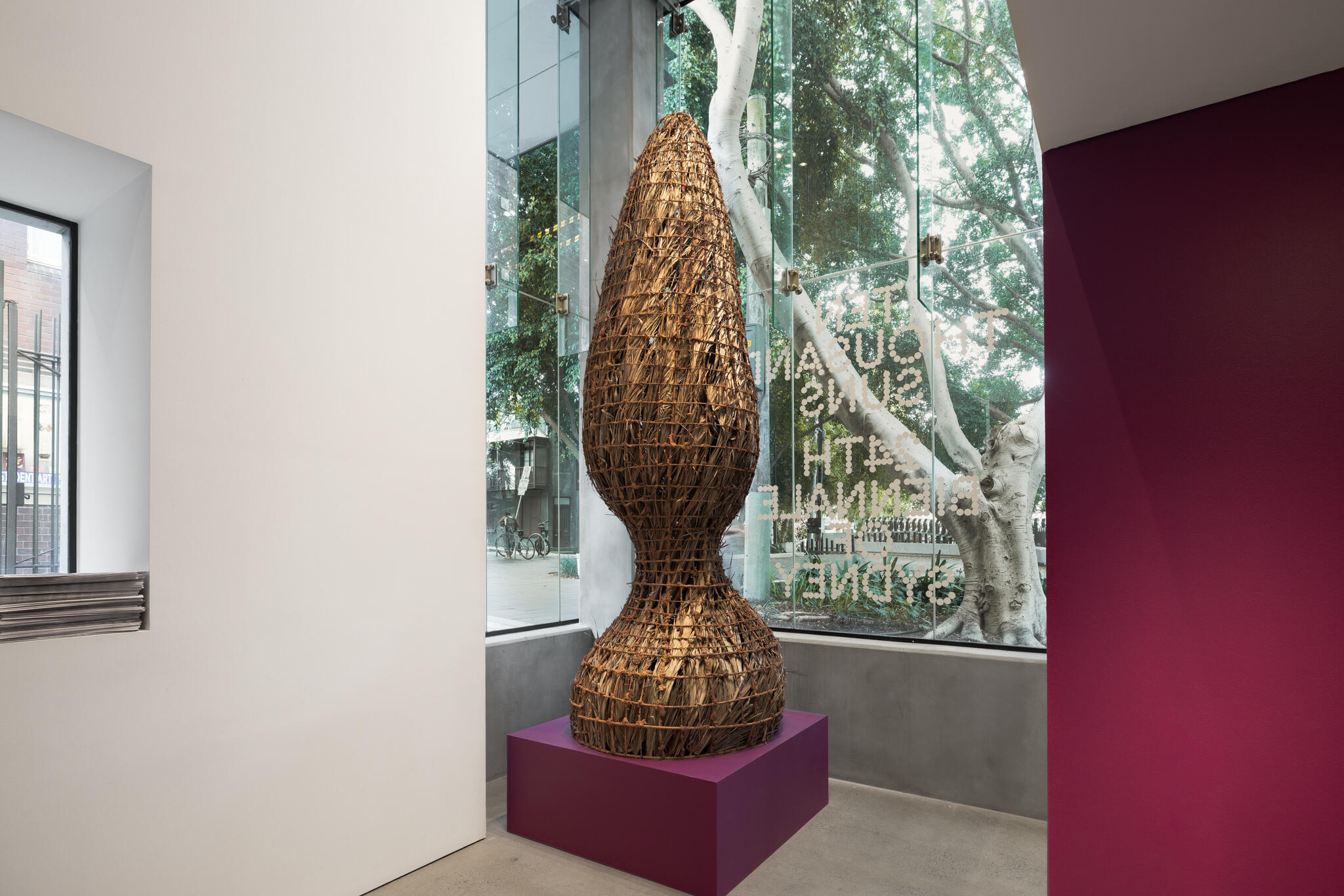
Installation view, '24th Biennale of Sydney: Ten Thousand Suns', UNSW Galleries, 2024.
Photograph: Jacquie Manning
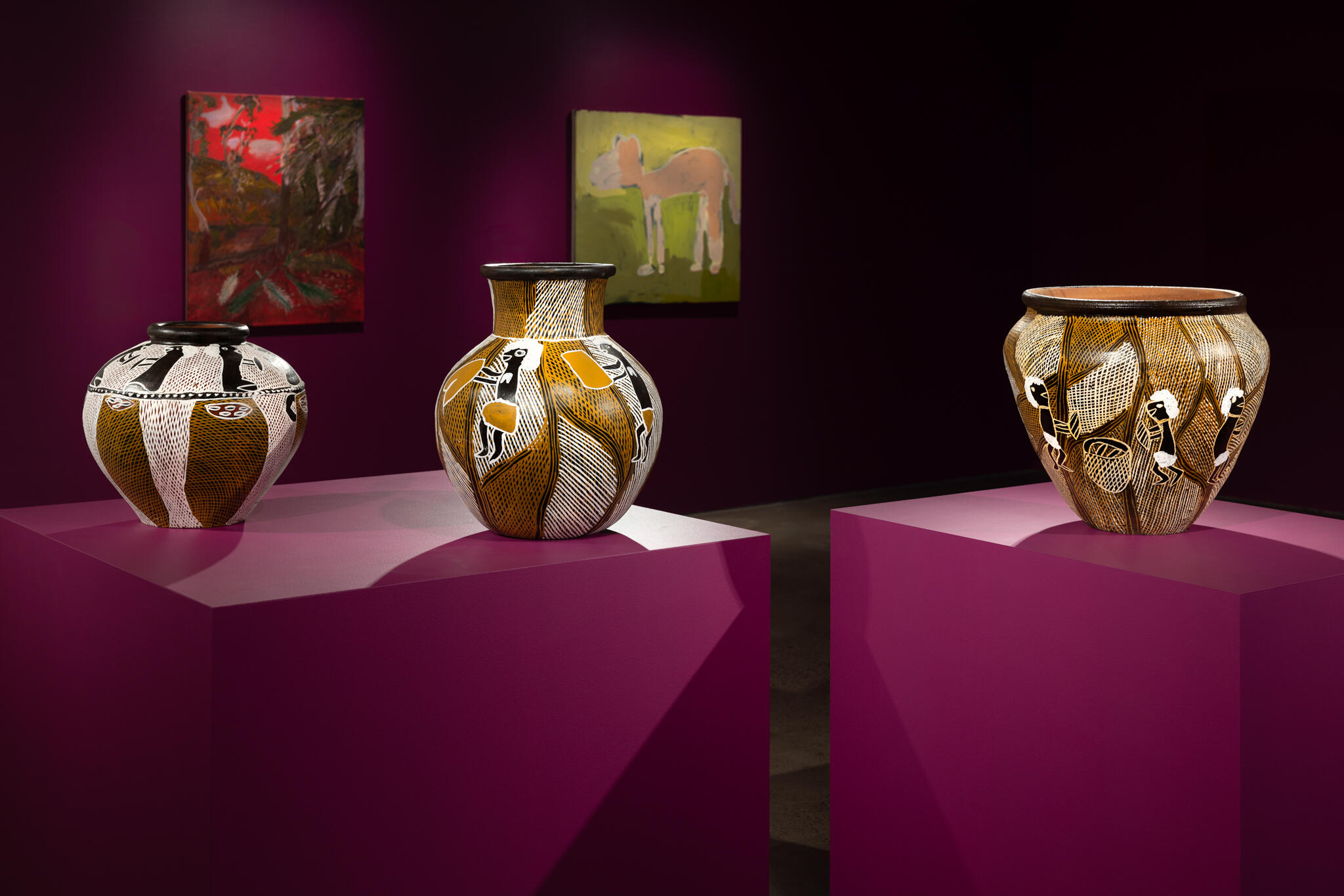
Installation view, '24th Biennale of Sydney: Ten Thousand Suns', UNSW Galleries, 2024.
Photography: Jacquie Manning.
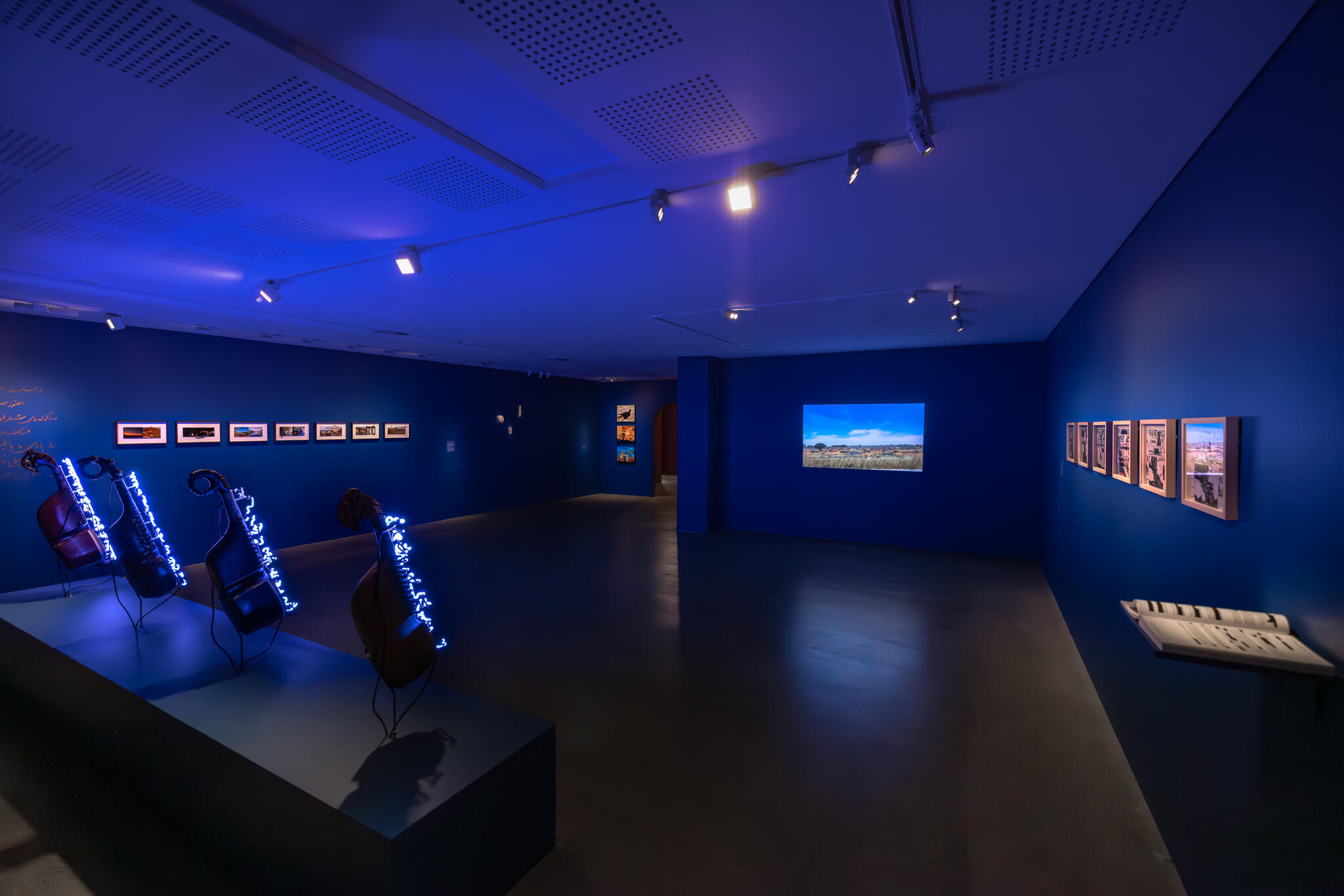
Installation view, '24th Biennale of Sydney: Ten Thousand Suns', UNSW Galleries, 2024.
Photography: Jacquie Manning.
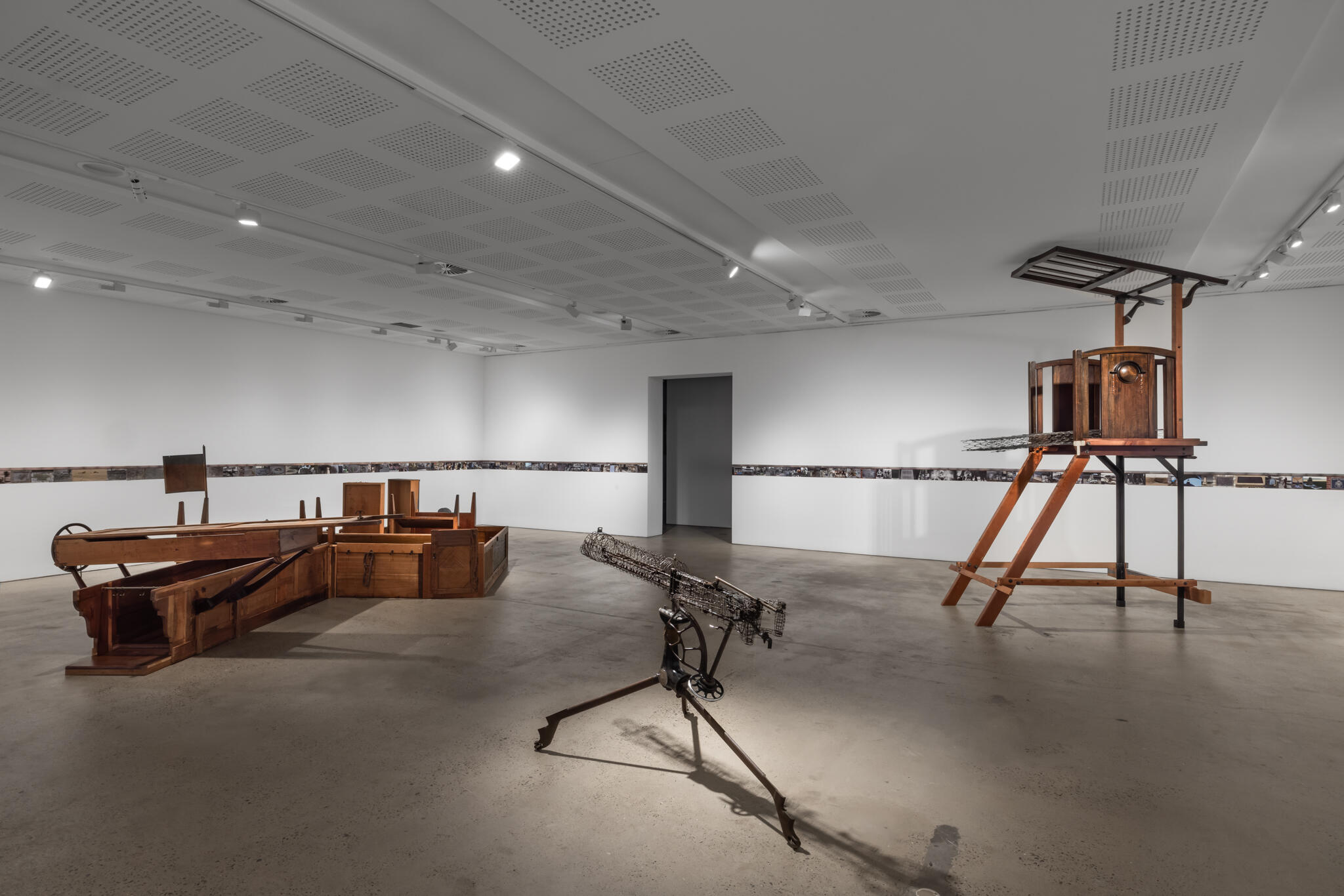
Installation view, '24th Biennale of Sydney: Ten Thousand Suns', UNSW Galleries, 2024.
Photograph: Jacquie Manning
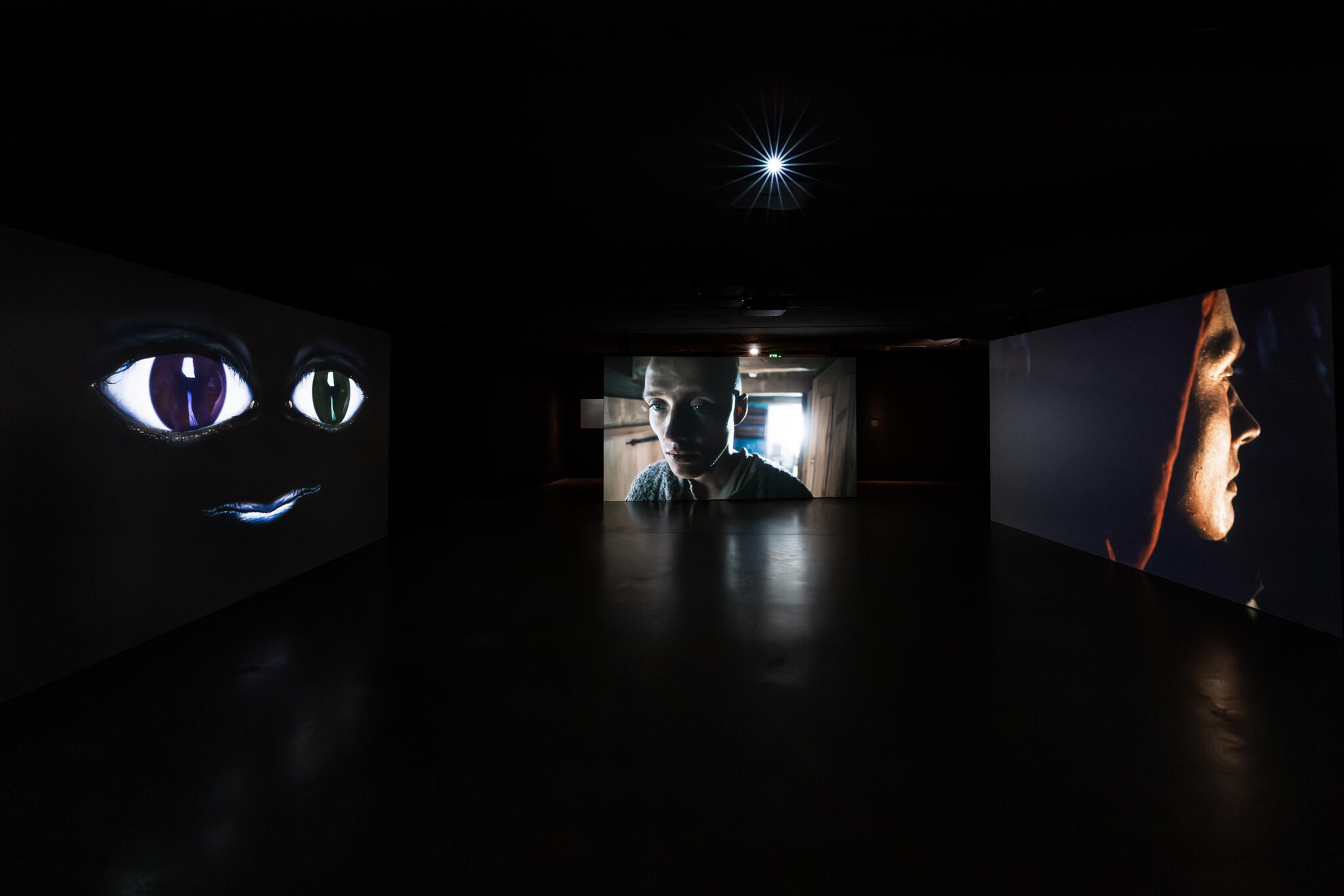
Installation view, '24th Biennale of Sydney: Ten Thousand Suns', UNSW Galleries, 2024.
Photograph: Jacquie Manning
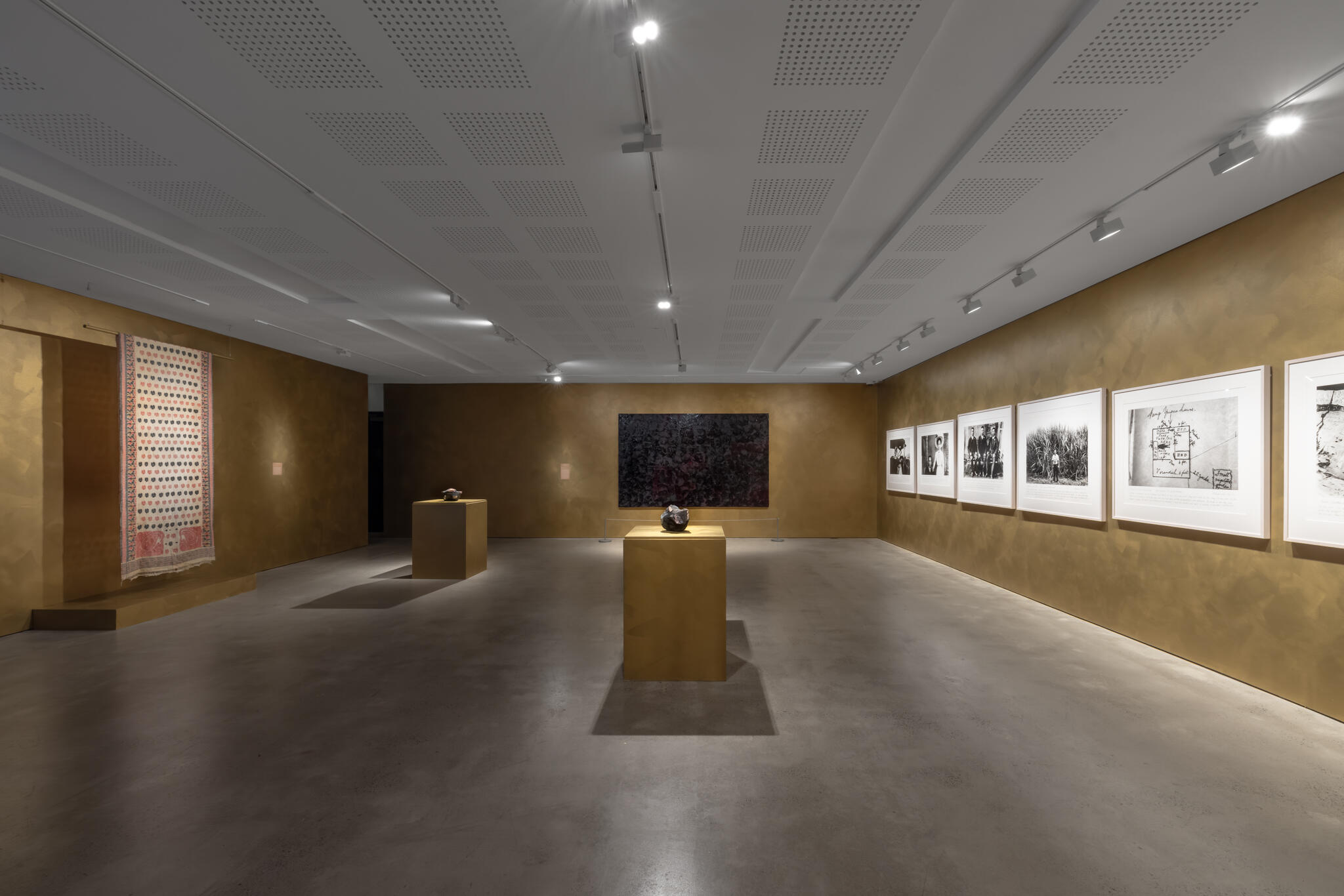
Installation view, '24th Biennale of Sydney: Ten Thousand Suns', UNSW Galleries, 2024.
Photograph: Jacquie Manning
Public Programs


Acknowledgements
UNSW Galleries is one of several venues participating in the 24th Biennale of Sydney. For further information on the 24th Biennale of Sydney, visit their website.
